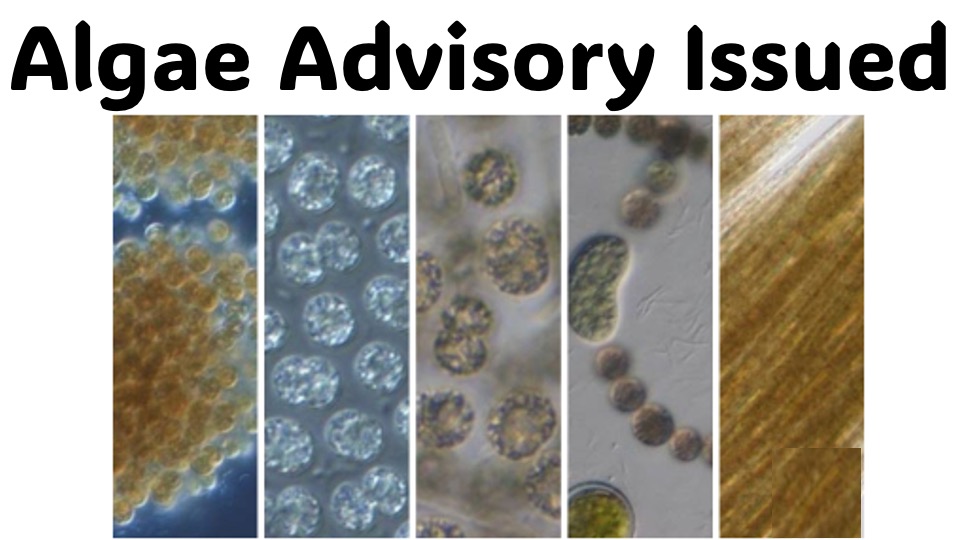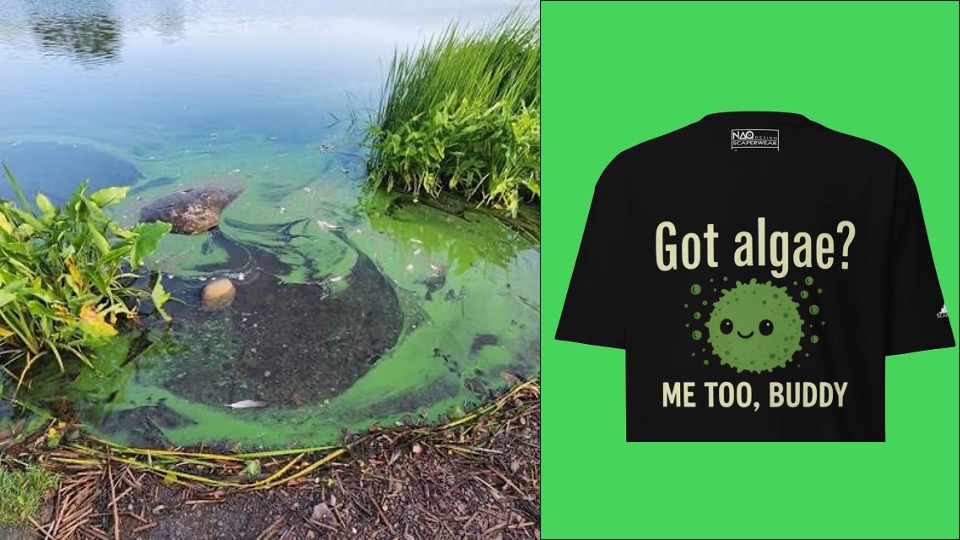
We have had six Department of Ecology toxic algae notices in 2026 of Microcystin above state guidelines from samples taken on September 16, 22, 28 and on October 5, 14 and 22. This raises some questions:
- Are the recent weed treatments in our lake causing this string of toxic algae reports?
- Has toxic algae been increasing on our lake?
- What is causing this string of toxic algae on our lake?
- What can be done about this?
QUICK ANSWERS
- We have no evidence to support toxic algae being caused by our weed treatments.
- Toxic algae has not been increasing in our lake over the years. You can check the historical data from 2011 to the present with this LINK.
- When looking at the historical data (LINK), you can see that we had very high levels of Microcystin in 2011 that had nothing to do with herbicides since none were being applied. We also didn’t apply herbicides in 2024, yet we had an algae bloom then also.
- Solutions are very expensive. If it is determined that we have a long-term problem, treatment costs can range from $100,000 upward.
- Lake Lawrence is working toward a million-dollar project to address their algae problems. Even with our smaller lake, we would have to set aside money from our budget for 5 to 7 years to be able to afford a lake-wide treatment.
- The good news is that this year seems to be a statical anomaly for our lake. We also hope that more rain and winter weather will stop this toxic trend. For now, we wait and see.
ASK AN EXPERT
Barry Halverson (Lake Lawrence LMD Chair) is our local expert. I asked Barry for his opinion about what is causing this string of toxic algae alerts: Here are his thoughts:
- Weather: Rain helps keep algae levels lower. But there is so much that goes into it the answer is no one really knows – not even the experts.
- I have attended over 15 HAB (Harmful Algal Blooms) Seminars over the past two years, and everyone is looking for an answer – weather is all anyone can come up with. That and high levels of phosphorus for a variety of sources.
- This month (October, 2026) we have had the warmest weather and least amount of rain in the past 81 years. There have been only two other years during that 81 years that have come close. We usually have close to 4 inches of rain in October and so far, we have had less than .25″. So, if you ask me, weather has been the biggest culprit this year.
MORE INFO ABOUT ALGAE
According to the Washington State Department of Ecology, some amount of algae growth is normal for most lakes during the warm seasons and lakes can have blooms of algae that are not toxic. The weather has a lot to do with algae blooms. This year has been dry and warm, which has precipitated the toxic algae blooms that lakes in Thurston County are experiencing.
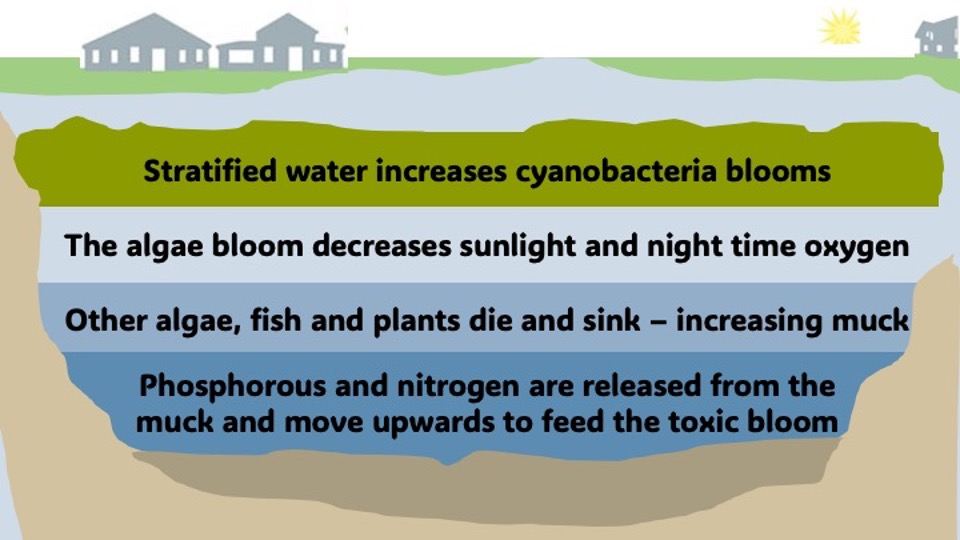
Algae is primarily caused by an overabundance of nutrients like nitrogen and phosphorus, combined with warm water and sunlight. Nutrients can come from naturally decaying plants (the fall die-off), fertilizer and pesticides run-off, poor or leaking septic systems, road run-off, agricultural run-off, herbicide treatments, and other human-caused additions to the water column.
In our first two years of weed treatments (2025 & 2026), we have been super conservative in the size of our treatment areas in order to not significantly increase nutrient levels that would influence algae growth.
LET’S WORK TOGETHER TO REDUCE NUTRIENTS THAT FEED ALGAE
We have published educational materials for lake residents so they can make more informed decisions about ways to reduce introducing algae nutrients like: weed and feed, quick-release fertilizers, and chemical bug and weed killers pesticides, to our lake. We have also published information about how unmaintained septic systems can contribute to the nutrient problem in the lake water.
QUICK LINKS TO EDUCATIONAL ARTICLES ABOUT REDUCING ALGAE NUTRIENTS
- Yard Care Can Reduce Algae
- Yard Care is Lake Care
- Summer 2026 Weather Pattern
- You Can Help With Water Quality
- Be Wise When You Fertilize
- Safer and Cheaper
- HABs: Harmful Algal Blooms
- Toxic?
- What to Know About Algae
- Grow Smart Grow Safe
- Why You Should Maintain Your Septic System
HOW DO WE KNOW IF THE ALGAE WE SEE IS TOXIC?
There are a few anecdotal ways of determining if algae is toxic and none of them are reliable. The only way to confirm if a bloom is toxic is through laboratory testing. The results of that type of testing is the basis for the reports sent out by the Department of Ecology. You can go online and report an algae bloom that you want to be tested through the Washington State Toxic Algae website LINK.
Of the four algae toxins (see list below), only Microcystin has been detected above the state guideline in our lake since 2011. Microcystin was found above the state guidelines 5 times in 2026 thus far; 2 times in 2025; once in 2024.
Ecology tracks these algae toxins:
- Microcystin: >= 8 µg/L
- Anatoxin-a: >= 1 µg/L
- Cylindrospermopsin: >= 15 µg/L
- Saxitoxin: >= 75 µg/L
- The numbers show the state guidelines.
- The abbreviation µg/L stands for micrograms per liter.